
For every smoke of cigarette, there are more than 7000 chemicals that are detrimental to the body. Some of these chemicals are linked to some of the deadliest cancers
Smoking kills
It is indeed no news that smoking increases the risk of deadly cancers. This is particularly worse for smokers living with other diseases. Persons living with HIV who smoke are three times more likely to die than people who do not. The primary goal is to quit smoking, and in cases where appropriate, encourage the use of harm reduction methods to reduce the risks and effectively stop.
Smoking remains a public health concern, especially in Africa, with over 70 million smokers. In Eswatini, 737 people die each year from smoking.
The case for Harm Reduction
Harm reduction is a range of pragmatic policies, regulations and actions that either reduce health risks by providing safer products or substances or encourage less risky behaviours. Harm reduction does not focus exclusively on the eradication of products or behaviours.
Tobacco harm reduction (THR), using safer nicotine products, offers new choices to millions of people worldwide who want to switch away from smoking, but have been unable to with the options previously available.
There is substantial international, independent evidence that the safer nicotine products that are available today – including nicotine vaping devices (e-cigarettes), heated tobacco products and Swedish-style oral snus – are demonstrably and significantly safer than smoking tobacco.
Safer Nicotine Products (SNPs)
People smoke for Nicotine but die from the tar. There is substantial international, independent evidence that the new products are demonstrably and significantly safer than traditional cigarettes.
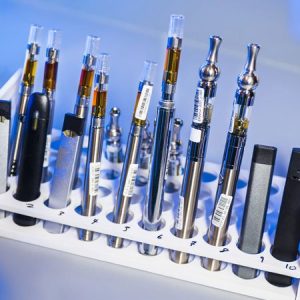
1. Nicotine vaping products (e-cigarettes): These products allow the user to inhale nicotine in a vapour which contains no tar or carbon monoxide. All vaping products have three basic elements: the battery, which heats up the coil or the atomiser, which turns the flavoured liquid into a vapour to be inhaled. Most e-liquids contain four ingredients: vegetable glycerin (VG) which provides the vapour, propylene glycol (PG) which carries the flavour (although PG-free liquids are available as some people are allergic to this ingredient), nicotine, and flavouring.
Anti-smoking, health NGOs and trusted medical bodies in the UK such as ASH (Action on Smoking and Health), Cancer Research UK, the British Heart Foundation, the Royal College of General Practitioners, and the Royal College of Psychiatrists trust endorse the use of e-cigarettes as a way to help people stop smoking tobacco. Studies in the UK show that over half (54.1%) of current e-cigarette users are ex-smokers, a proportion which has grown year on year. There is a need to replicate these studies in Africa as well.
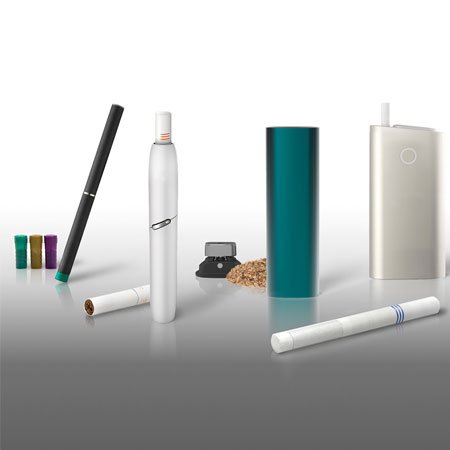
2. Heated tobacco products: These products heat tobacco below the level of combustion to a temperature of no more than 350°C, which is sufficient to release nicotine in a vapour containing significantly reduced levels of toxins compared to combustible cigarettes.
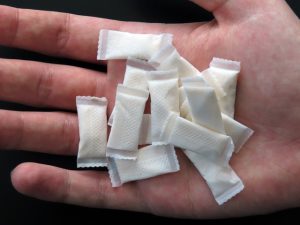
3. Nicotine pouches: Nicotine pouches are thumbnail-sized sachets containing vegetable fibres infused with nicotine and various flavours. Placed in the mouth between the lip and gum, nicotine is absorbed through the oral mucous membrane.
4. Snus: Snus is an oral tobacco product that has been used for more than 200 years. Named after the Swedish word for snuff, snus is made from ground tobacco leaves that are mixed with salt and water. It may also contain food-grade tobacco smoke aroma, or other flavourings, and is placed under the upper lip either in small teabag-like sachets called portion snus or loose. Snus is most widely used in Scandinavia, particularly in Sweden and Norway, where a form of the product known as ‘Swedish snus’ dominates the market.

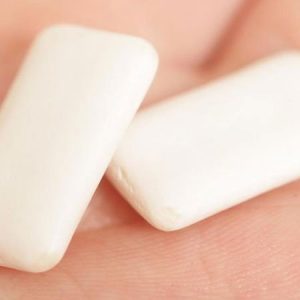
5. Nicotine replacement therapy: Nicotine replacement therapies (NRT) are a range of products including patches, gums, lozenges and inhalers. NRT is a medically approved way to consume nicotine without tobacco and is on the World Health Organization’s List of Essential Medicines.
More information can be obtained from the Global State of Tobacco Harm Reduction website here
Why Harm reduction?
With a specific focus on persons living with HIV (PLHIV), this website aims to introduce the concept of tobacco harm reduction to healthcare workers and care givers who take care of people who smoke and may also live with HIV. In line with the Eswatini Integrated HIV Management guidelines, smoking status is required to be screened for during care. When patients confirm that they smoke cigarettes, it is thus necessary to encourage quitting. In some cases, counselling alone helps the person to quit. In other cases, it is more difficult, hence the need for Tobacco harm reduction. This website does not provide medical advice on the appropriate mechanisms for smoking cessation but only provides recommendations that can be considered in patient care.
Research carried out by the Global State of Tobacco Harm Reduction estimates that there are 112 million users of safer nicotine products worldwide.
The evidence from many countries indicates that smokers are switching to lower-risk products. For example, there are clear signs of substitution effects – that SNPs are replacing smoking – including in the following countries:
- Norway: 15% of young women use snus but only 1% smoke. It has one of the lowest levels of female smoking in the world and young women use snus rather than cigarettes.
- Japan: Sales of cigarettes have fallen by a third since the introduction of heated tobacco products.
- Sweden: Swedish men have switched from smoking to using snus. As a result, Sweden has the lowest rate of tobacco-related disease in Europe. Sweden is the only EU state to have reached smoke-free status, defined as less than 5% adult smoking prevalence.
- Great Britain: The uptake of vaping has been accompanied by a rapid decline in smoking and vapes are the most popular way to stop smoking. 3.6 million people vape in Great Britain, of whom 2.4 million have completely quit smoking.
- New Zealand: The rapid uptake of vaping (from 0.9% of adults in 2016 to 6.2% in 2021) has been associated with a dramatic fall in smoking – from 14.5% to 9.4%.
References:
- Global State of Tobacco Harm Reduction (GSTHR). Swaziland Country Profile. Available from: https://gsthr.org/countries/profile/swz/1/
- Action on Smoking and Health: Use of e-cigarettes (vapes) among adults in Great Britain https://ash.org.uk/uploads/Use-of-e-cigarettes-vapes-among-adults-in-Great-Britain-2021.pdf
- Ministry of Health, ‘Annual Data Explorer 2020/21: New Zealand Health Survey [Data File]’, 2021, https://minhealthnz.shinyapps.io/nz-health-survey-2020-21-annual-data-explorer/